Compare itineraries
Review the complete route, port sequence, sea days, voyage length, and published time in port.
Silversea destination guide
Explore Hanoi, Vietnam as part of a Silversea itinerary. Review the destination notes and available images, then ask Deluxe Cruises to compare voyages, ships, suites, and published time in port.
Port overview
summary of the history of Vietnam,
Vietnam's first university, founded in 1070 by Emperor Ly Thanh Tong, is a pleasant retreat from the streets of Hanoi. It's a rare example of traditional Vietnamese architecture and is an interesting introduction to Confucianism.
courtyards represent the essential elements of nature. A central path symbolizes the Confucian Middle Path , dividing the complex. Entry into each courtyard, according to the old signs, requires the completion of a task; you need only dismount your horse to enter the first courtyard, known as the Entrance to the Way , but to get to the second courtyard, the Great Middle Gate , you must accomplish virtue and attain talent.
(Or pay a US$1 entrance fee.)
achieved excellence in literary expression, head to the Constellation of Literature Pavillion , an architectural marvel considered a symbol of the city. This is the entrance to the third courtyard, the Garden of the Stelae where the names of all graduates since the 1400s are inscribed on the backs of stone turtles.
synthesizing the teachings of Confucius, head to the fourth Courtyard of the Sages , where you can make an offering to the great teacher. The fifth courtyard, the School for the Sons of the Nation , housed dormitories and classrooms for the university. It was all but destroyed by French shelling in 1947, and little remains of the original structure.
enormous concrete cubicle, surrounded by guards in snowy, bleached-white uniforms, lies the embalmed body of Ho Chi Minh despite his requested to be cremated after death. It's a free tour, and it's interesting to see how the visitors, from elderly VC comrades who have made the pilgrimage from South Vietnam, to student groups from foreign nations, react to the sight of Vietnamese as a whole are disappointed with communism, most show deep respect and admiration for Ho himself. He is seen as the liberator of the Vietnamese people from colonialism; the country's subsequent economic mismanagement is often viewed as the misdoing of Ho's comrades and Chi Minh's Stilt House is where the commander lived between 1958 and 1969. It's built in the style of Vietnam's ethnic minorities, and set in a well tended garden. Everything has been kept just as Ho left it, including a
white chair that was a gift from Fidel Castro and the small room where Ho the Ho Chi Minh Museum , also close to the Mausoleum, is the perfect way to round out your history lesson. Divided into two sections, 'past' and 'future,' the displays are rather difficult to understand without and English-speaking guide. The 1958 Edsel bursting through a wall (a US commercial failure to symbolize their military failure) is a knockout.
streets of Hanoi's Old Quarter, bustling for more than 1000 years, make up one of Vietnam's most lively and unusual places to visit. In the 13th century, Hanoi's artisan guilds established themselves here, each taking a different street. Today it's a shopping paradise, with specialized streets named for the products traditionally sold there.
Destination and cruise inspiration
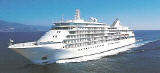


Cruise planning
Review the complete route, port sequence, sea days, voyage length, and published time in port.
Compare Silversea ocean and expedition ships, then match the suite layout and deck location to your priorities.
Ask Deluxe Cruises to review availability, itinerary fit, suite options, and current booking benefits.
Personalized cruise planning
Contact Deluxe Cruises for itinerary comparisons, suite guidance, availability, and personalized booking support.
Silversea port planning summary
Compare the complete itinerary, published time in port, voyage length, ship, suite location, and seasonal travel conditions before choosing a Silversea cruise visiting Hanoi, Vietnam.
Compare the complete itinerary, time in port, voyage length, ship, suite location, and seasonal travel conditions before reserving.
Yes. Deluxe Cruises can compare suitable itineraries, ships, suites, availability, and current booking benefits.
Email info@deluxecruises.com, call +1-702-501-7105, or use WhatsApp +1-702-900-9975.
Visit the Deluxe Cruises Cruise Travel Insurance page to prepare for a quote and compare optional protection with Travel Insured.